When Biodiversity Masks Ecosystem Fragility
Why do some ecosystems collapse after species loss and others remain stable? Increasingly, ecologists suspect that the answer lies not only in how many species ecosystems contain, but in the ecological roles those species perform. This idea, known as functional diversity, describes the range of traits and behaviours through which organisms influence ecosystem processes such as seed dispersal, pollination and predation. In many ecosystems, birds play particularly important roles, controlling insect populations and dispersing seeds across large distances (Şekercioğlu, Daily and Ehrlich, 2004).
Closely related to functional diversity is functional redundancy, the presence of multiple species performing similar ecological functions (Figure 1). Ecologists have long suggested that functional redundancy acts as nature’s insurance policy: if one species disappears, others can compensate and maintain ecosystem processes that might otherwise be lost (Elmqvist et al., 2003). In this way, biodiversity can buffer ecosystems against environmental disturbances and species loss (Tilman, Reich and Knops, 2006).

Figure 1: Functional redundancy in bird communities
Conceptual diagram showing how bird species occupy functional trait space in ecosystems with high (left) and low (right) functional redundancy. Coloured circles represent ecological niches defined by a combination of traits. In communities with high redundancy, multiple species share overlapping roles, providing resilience to species loss. In communities with low redundancy, fewer species perform each role, making ecosystem functions more vulnerable to disturbance.
However, human-driven land-use change is dramatically reshaping ecosystems worldwide. As forests are converted into agricultural landscapes and urban environments expand, specialist species often decline whilst adaptable generalists persist. Although these altered communities may retain many species, whether they also maintain sufficient functional redundancy to sustain ecosystem stability remains uncertain. Addressing this question requires large-scale analyses that link species traits, biodiversity patterns and ecosystem functioning, an approach taken by Weeks et al. (2026) in their new global study of bird communities.
Drawing on one of the most extensive global datasets of bird biodiversity and traits assembled to date, Weeks et al. (2026) analysed 3,696 bird species recorded across 1,281 ecological sites spanning a wide range of habitats, from relatively intact ecosystems sites to landscapes heavily modified by agriculture and urbanisation. This broad geographic slope allowed the authors to compare how bird communities respond to different levels of human disturbance.

Rather than focussing solely on species richness, the researchers examined functional traits that reflect how birds interact with ecosystems. Morphometric characteristics such as body mass, beak morphology and wing shape provide insights into feeding behaviour dispersal ability and other ecological roles. By positioning species within a multidimensional functional trait space, the authors were able to quantify both diversity of ecological roles present within communities and the degree of functional redundancy among species.
To explore how resilient these communities might be to further biodiversity loss, Weeks et al. (2026) conducted simulation extinction experiments. Species were progressively removed from each community in computational models, allowing the researchers to track how rapidly functional diversity declined as species disappeared. By comparing these patterns between natural and human-modified environments, the study tested whether land-use change alters the ability of bird communities to maintain ecosystem functions when additional species are lost.
The analysis revealed clear and consistent shifts in the structure of bird communities across human-modified landscapes. In areas strongly affected by land-use change, communities were increasingly dominated by widespread, adaptable generalist species capable of thriving in disturbed environments, while many specialists became less common or disappeared altogether. Although species richness did not always decline dramatically, the functional composition of these communities changed substantially.
One key consequence of this shift was a reduction in functional redundancy. Bird communities in human altered landscapes contained fewer species performing similar ecological roles, meaning that ecosystem functions were supported by a smaller number of species.
The extinction simulations reinforced this pattern. When species were progressively removed from communities, functional diversity declined more rapidly in human modified ecosystems than in relatively undisturbed ones. In other words, disturbed communities were less able to absorb additional species losses without experiencing substantial functional change. These findings suggest that ecosystems shaped by human activity may appear stable while in reality becoming increasingly fragile.
Together these results suggest that land use change can produce ecosystems that retain species yet lose ecological insurance provided by functional redundancy. As specialists disappear and generalists dominate, ecosystem functions may become increasingly dependant on a limited number of remaining species. This concentration of ecological roles could make ecosystems more vulnerable to future disturbance and biodiversity loss.
These findings have important implications for how biodiversity loss is understood and managed in human altered landscapes. Conservation strategies often prioritise maintaining species richness, but this study highlights that preserving functional diversity may be equally critical. Ecosystems that appear species rich may nevertheless be vulnerable if the remaining species perform a narrow range of ecological roles.
This issue is particularly relevant for the ecosystem services provided by birds. By dispersing seeds and regulating insect populations, birds contribute to the regeneration of plant communities and help control agricultural pests (Şekercioğlu, Daily and Ehrlich, 2004). If these functions become concentrated in only a few species, their loss could have disproportionate ecological consequences. Protecting functionally diverse bird communities may therefore be essential for maintaining stable ecosystem processes in increasingly disturbed environments.
The study also raises several important questions for future research. Similar patterns of declining functional redundancy may occur in other taxonomic groups such as insects or mammals, which also play crucial roles in ecosystem functioning. In addition, understanding how landscape management and habitat restoration influence functional diversity could help identify ways to strengthen ecosystem resilience.
Taken together, the findings of Weeks et al. (2026) highlight an often overlooked consequence of human driven environmental change. Bird communities in modified landscapes may retain a similar number of species, yet their functional structure can be profoundly altered. As ecological roles become concentrated among fewer species, the redundancy that once provided resilience is eroded.
These results emphasise that the stability of ecosystems cannot be understood by simply counting species. Instead, attention must also be paid to the diversity of ecological roles species perform and the redundancy that safeguards these roles against future losses. As land use continues to reshape ecosystems worldwide, maintaining functional diversity may be critical for preserving the ecological processes on which both natural systems and human societies depend.
- Şekercioğlu, Ç.H., G.C. Daily, and P.R. Ehrlich, Ecosystem consequences of bird declines. Proceedings of the National Academy of Sciences, 2004. 101(52): p. 18042-18047.
- Elmqvist, T., et al., Response diversity, ecosystem change, and resilience. Frontiers in Ecology and the Environment, 2003. 1(9): p. 488-494.
- Tilman, D., P.B. Reich, and J.M.H. Knops, Biodiversity and ecosystem stability in a decade-long grassland experiment. Nature, 2006. 441(7093): p. 629-632.
- Weeks, T.L., et al., Land-use change undermines the stability of avian functional diversity. Nature, 2026. 649(8096): p. 381-387
From Finding Nemo to Real Science: The Patterns on Green Sea Turtle Shells
If you’ve watched Finding Nemo, you probably remember Crush and Squirt, the laid-back sea turtles surfing the East Australian Current. Their shells look cool in the film, but Pixar actually undersold them. In reality, green sea turtle shells are far more intricate than anything shown on screen.
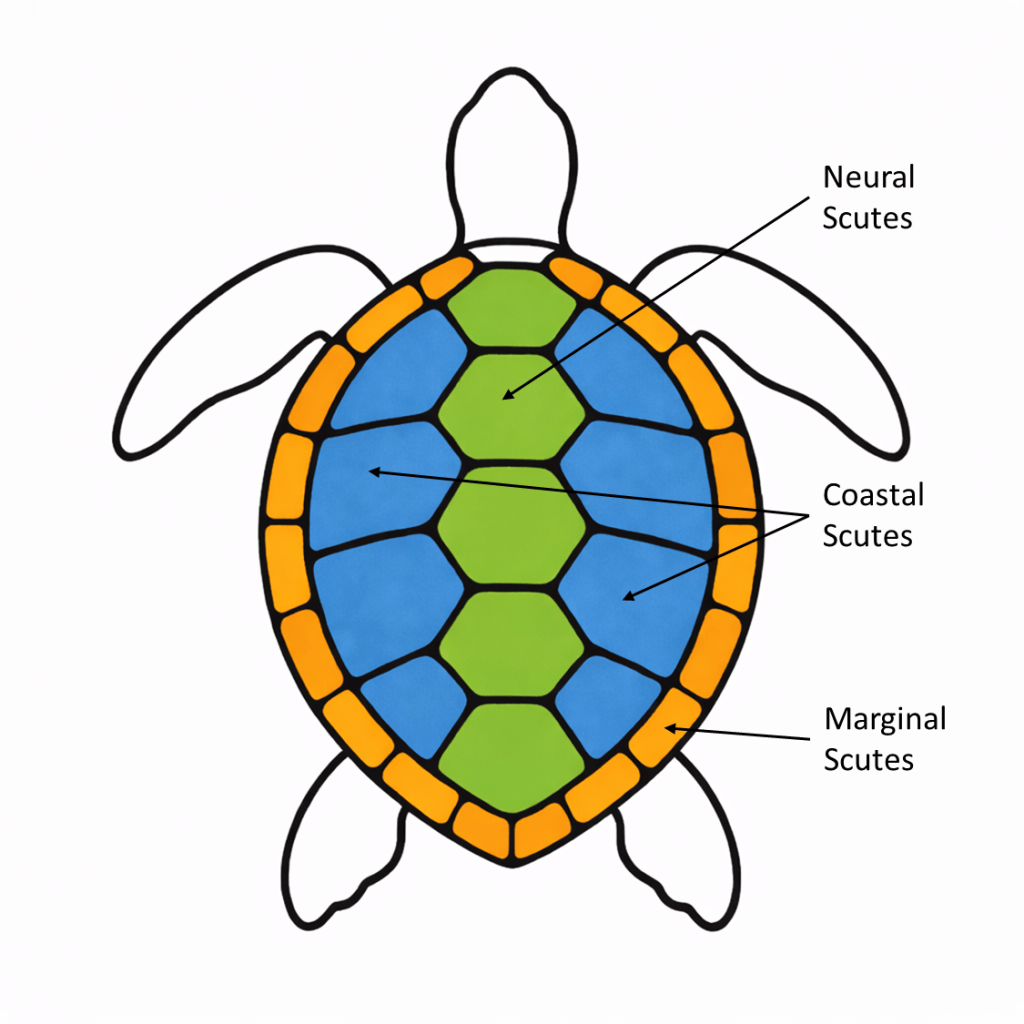
Look closely at a turtle shell and you’ll see a patchwork of 13 plates called scutes. The coloration on these plates form patterns of colour and shape that vary from turtle to turtle. That raises a scientific but not surprising question.. Why do these patterns look the way they do and what do they tell us?
Green sea turtles have been studied extensively. Scientists have examined everything from their genetics to their long-distance migrations across the oceans. But one of their most striking features, the colour patterns on their shells, has received far less attention [1].
Part of the reason is that colour patterns are surprisingly difficult to study. Traits like body size and limb length are easy to measure. Colour patterns are far more complex involving colours, shapes, contrast and how those elements are arranged across the body or even just across a scute [2].
Because of this complexity, scientists have often grouped patterns into categories instead of measuring the features that create them. While this approach is useful, it often misses the subtle variation found within patterns [3].
Recent advances in artificial intelligence and computer vision are changing that [4]. These tools allow researchers to analyse images quickly and objectively, extracting detailed information about colour patterns [5, 6].
My research project uses these tools to investigate how colour patterns vary on the shells of green sea turtles.
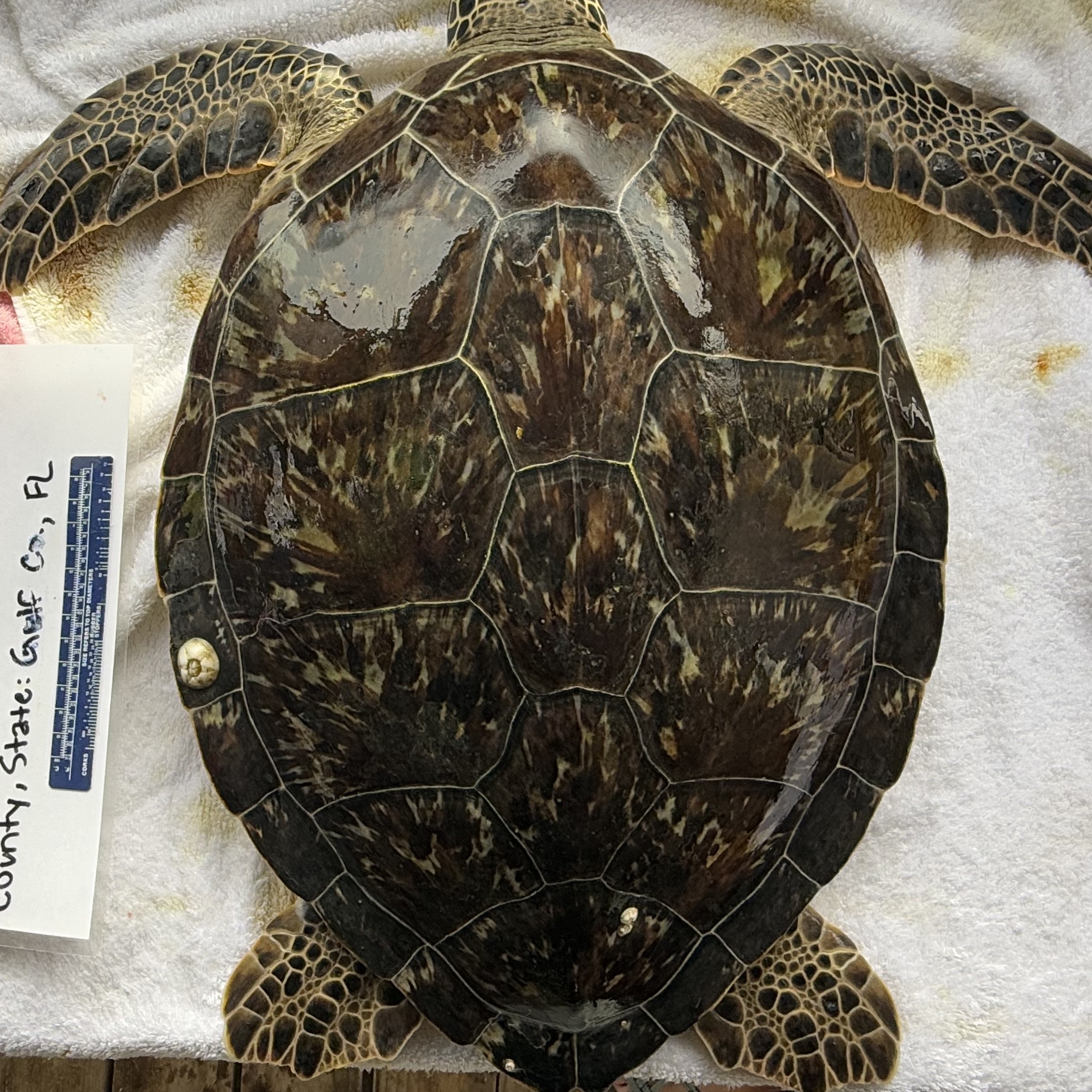
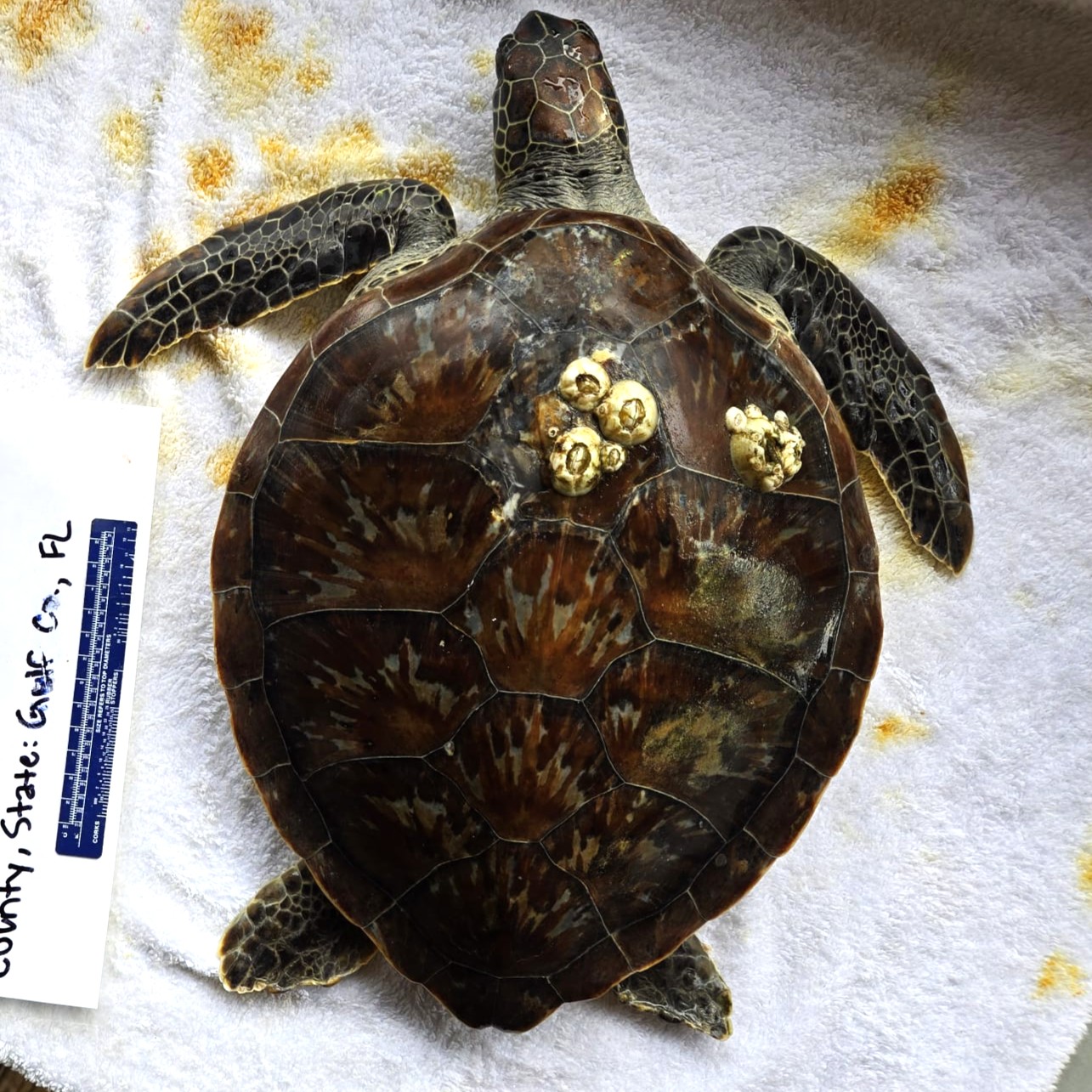
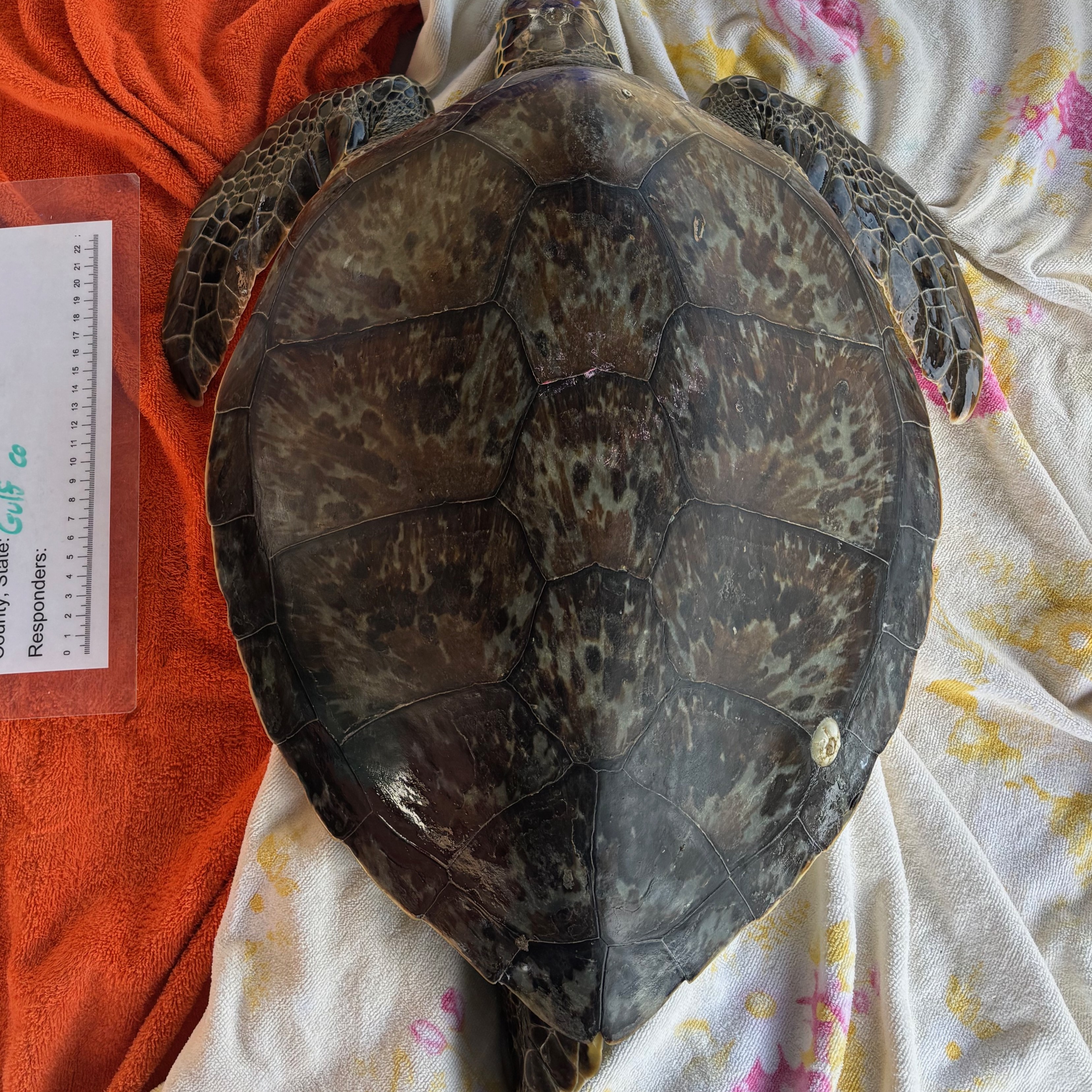
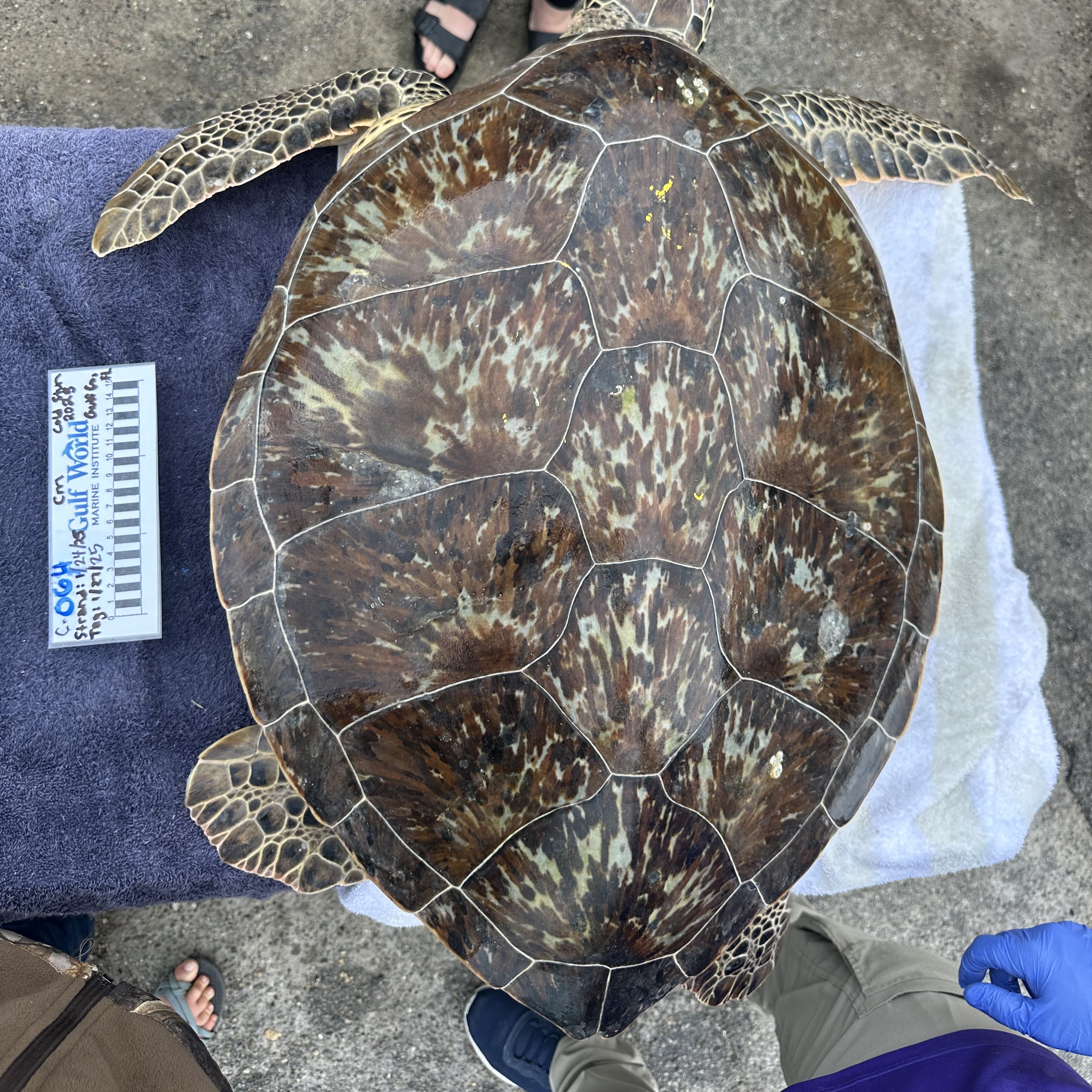
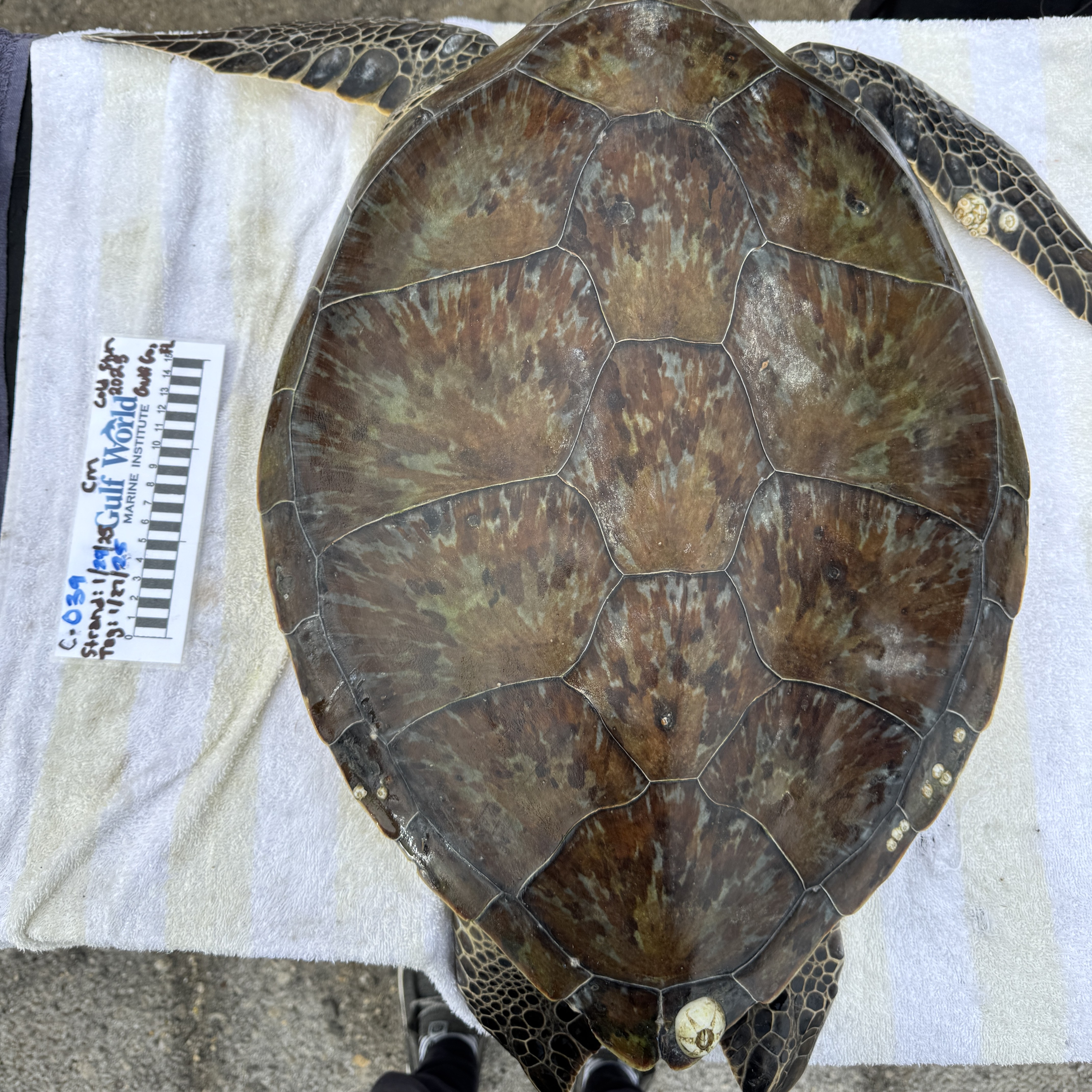
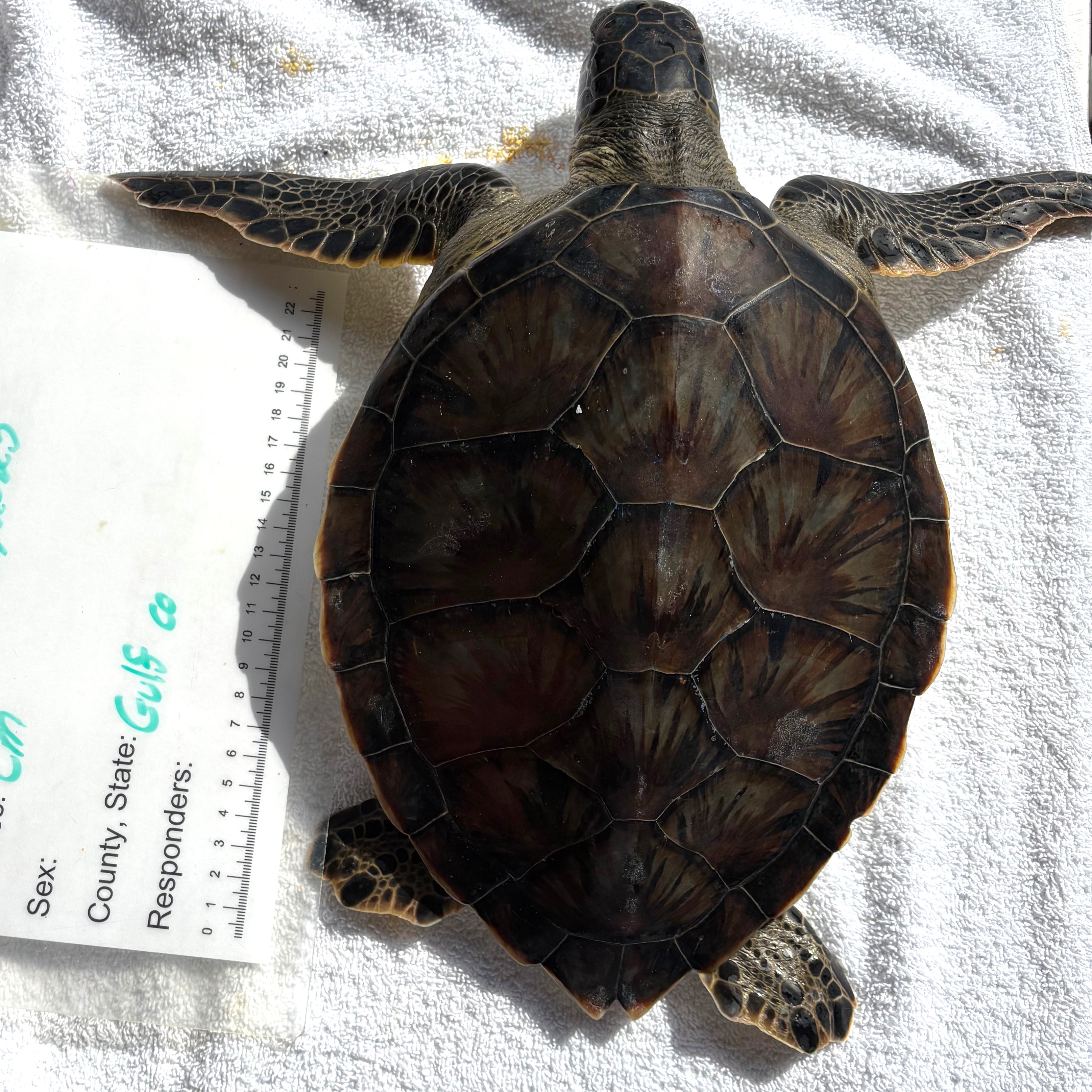
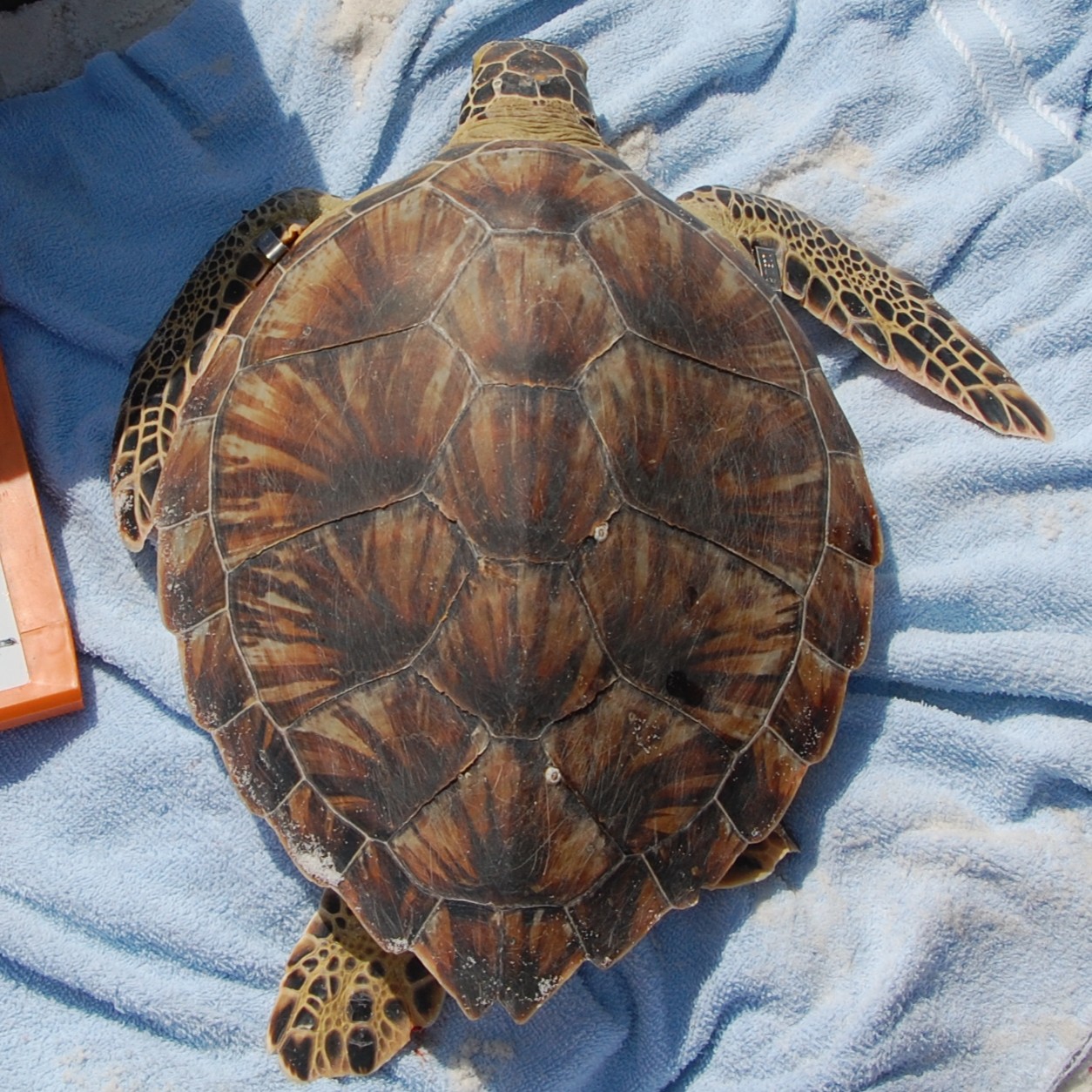
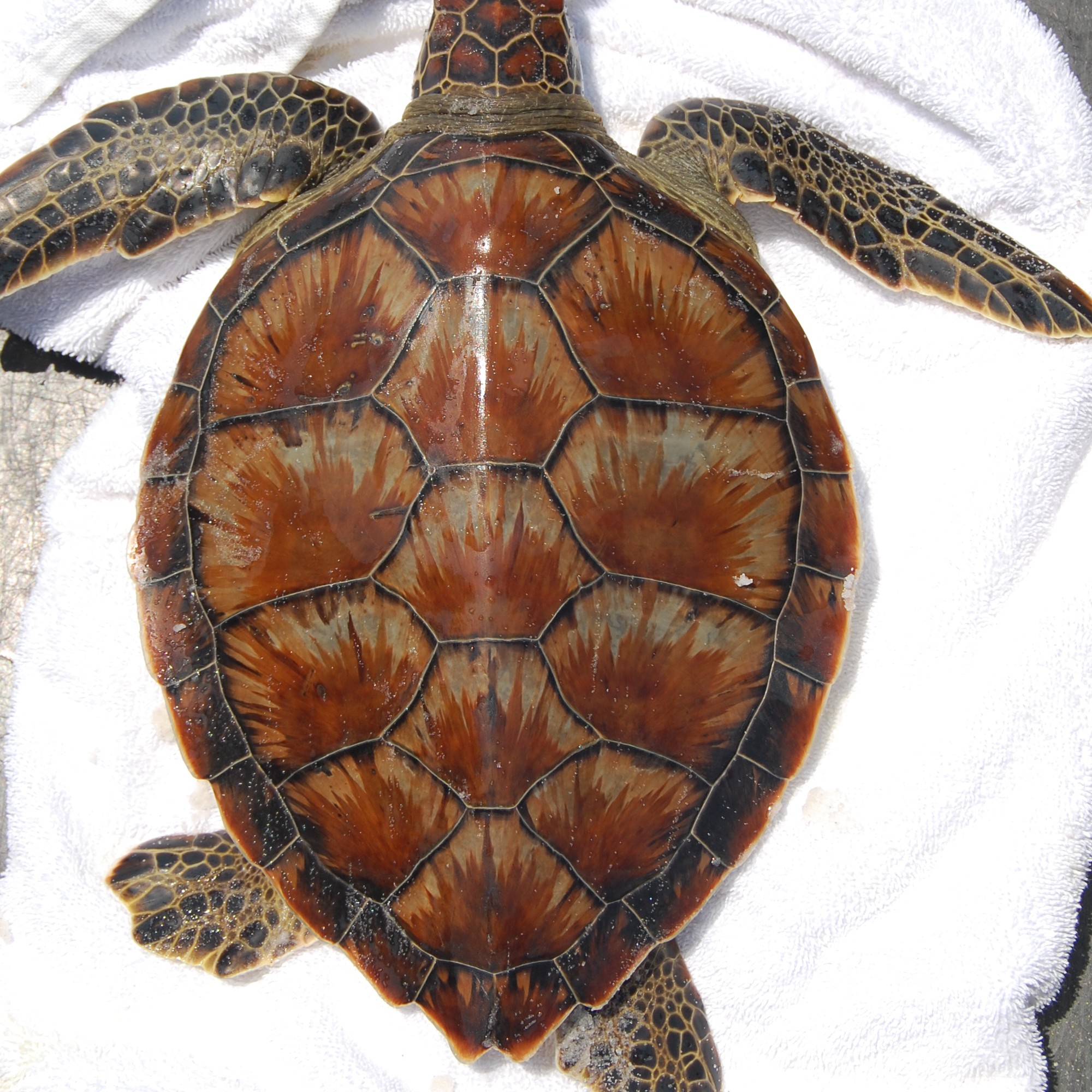
Before we dive into the details, take a look at a few turtle shells to get a feel for how much their colour patterns can vary.
Turning turtle shells into data
The project began with a huge pile of turtle photographs. In total 1,372 images were provided by the Florida Wildlife Commission and the U.S. Geological survey. These organisations regularly photograph turtles during conservation and rehabilitation work.
Not every image was suitable for analysis though. Each image had to be inspected to ensure the shell was clearly visible. If a shell was damaged, covered in algae or barnacles or photographed under poor lighting conditions, the image was removed.
This curation process left us with 256 images with at least one clean scute.
The next step was to isolate each clean scute and resize them so that each image was the same. We then augmented the images. This is just a fancy way of saying that additional images were created by cropping and slightly rotating the originals. This augmentation was done to help the AI analyse the patterns more reliably, but these “fake” images were not included in the actual analysis.
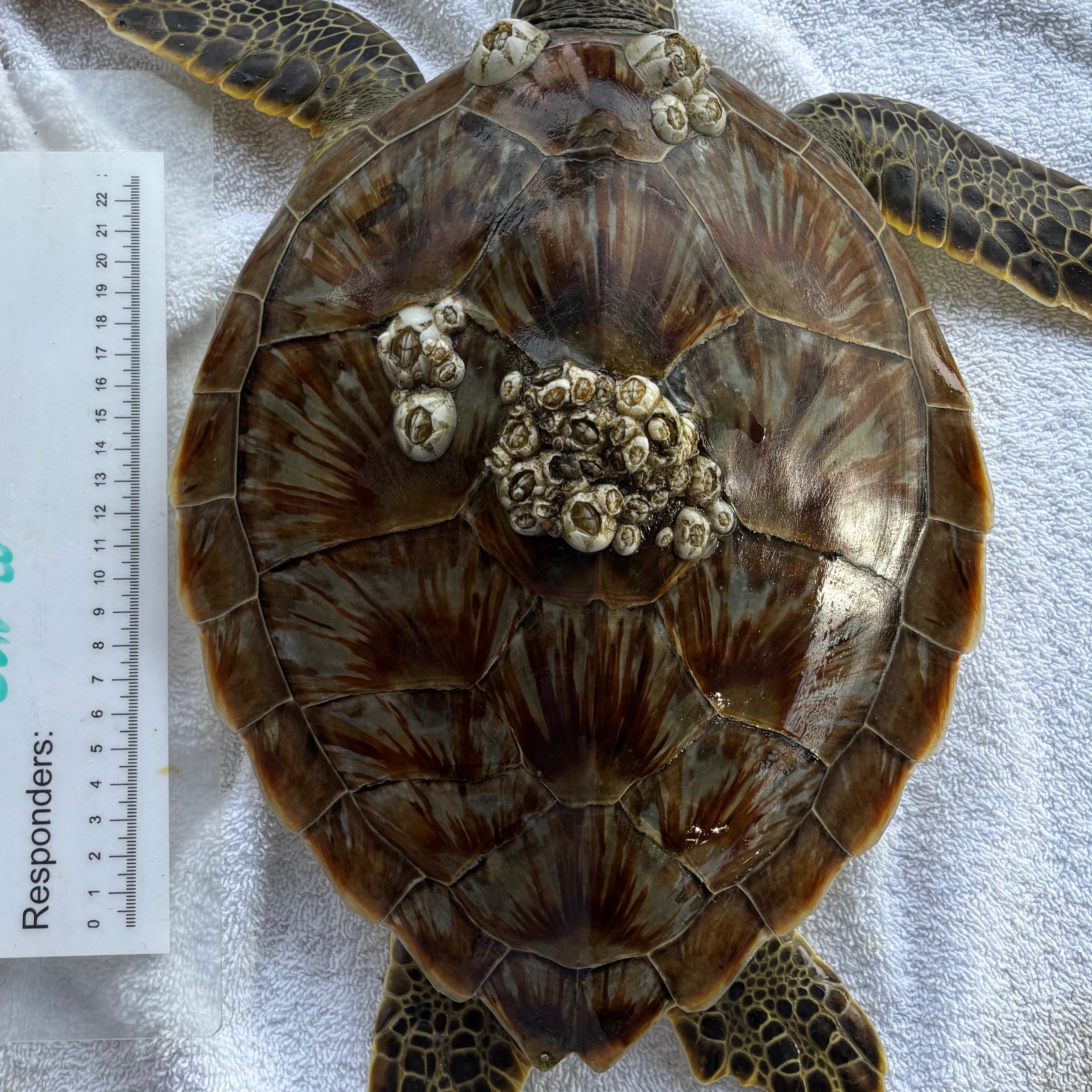
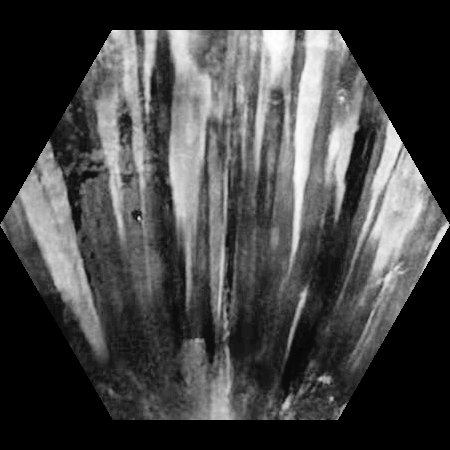
Once the images were prepared, they were analysed using a computer vision model called DINOv3 [7]. Instead of seeing images like us humans do, DINOv3 converts each image into numbers that describe visual features that can be analysed statistically.
What did the turtle shells reveal?
Once the images had been converted into data, we could finally ask the interesting question: why do these patterns look the way they do and what do they tell us?
The first thing we discovered is that shells are incredibly diverse. Even though each green sea turtle has the same basic shell structure, the detailed colour patterns differed for every individual we analysed. Each turtle essentially had a unique piece of “shell art”
Surprisingly, however, the variation of the colour pattern was not evenly distributed across the shell. Some scutes showed far greater variation than others. This suggests that some parts of the shell allow more flexibility in how the colour pattern develops.
We also looked at whether the left and right side of the shell resemble each other. Since turtle shells in other species are generally symmetrical, we expected some level of mirroring. Which is exactly what we found.
Finally, we compared patterns within individual turtles to patterns between different turtles. Scutes from the same turtle were much more similar to each other than to scutes from other turtles.
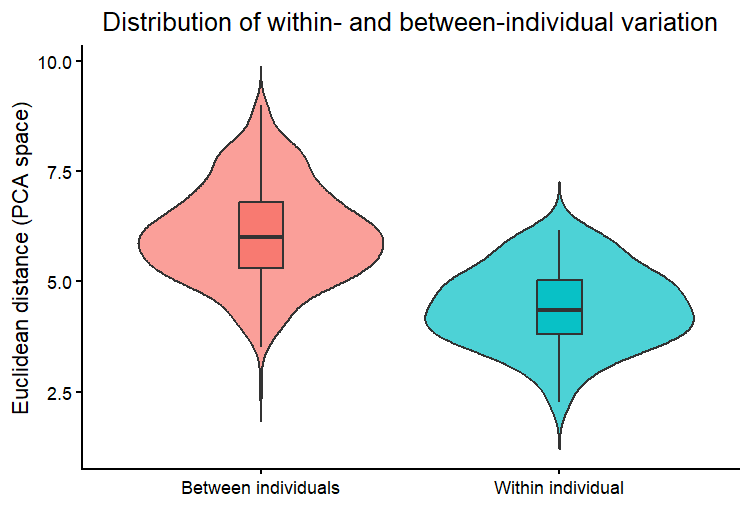
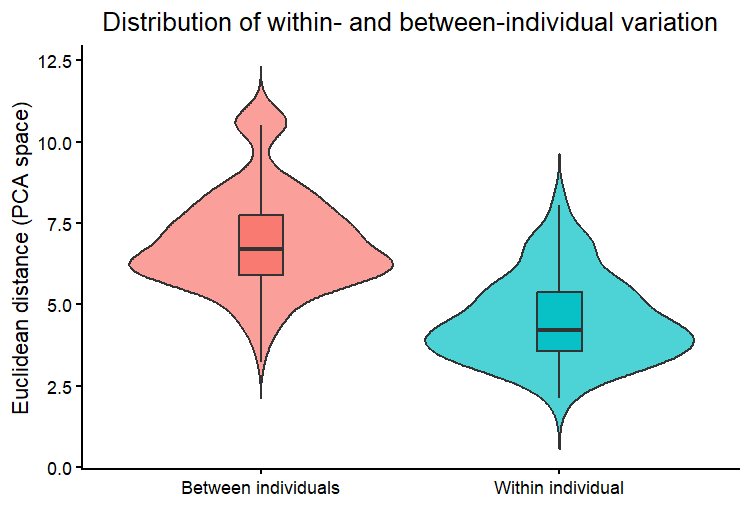
Together, these results suggest that turtle shell patterns are not random mosaics. Instead they appear to be influenced by where a scute sits on the shell and how the shell develops as the turtle grows.
Why these patterns matter?
Studying turtle shell patterns is about more than just appreciating their beauty.
Because patterns appear to be consistent within the same turtle but different between turtles, they could potentially be used as a natural way to identify turtles. Similar to a fingerprint or the shape of a whale’s tail.
If this proves possible, researchers could track turtles without invasive tagging methods, making it easier to monitor populations and study their movements.
More broadly, studying patterns helps scientists understand how visible traits develop and evolve. Patterns emerge from a combination of influences and analysing them can provide insight into the biological processes that shape how animals look [8].
So next time you see Crush surfing on a current, take a closer look. The pattern of his shell may not just be decoration, it might be one of nature’s most elegant signatures.
- Arthur, K.E., M.C. Boyle, and C.J. Limpus, Ontogenetic changes in diet and habitat use in green sea turtle (Chelonia mydas) life history. Marine Ecology Progress Series, 2008. 362: p. 303-311.
- Forsman, A., et al., Variable colour patterns indicate multidimensional, intraspecific trait variation and ecological generalization in moths. Ecography, 2020. 43(6): p. 823-833.
- Borowiec, M.L., et al., Deep learning as a tool for ecology and evolution. Methods in Ecology and Evolution, 2022. 13(8): p. 1640-1660.
- van den Berg, C.P., et al., Quantitative Colour Pattern Analysis (QCPA): A comprehensive framework for the analysis of colour patterns in nature. Methods in Ecology and Evolution, 2020. 11(2): p. 316-332.
- Hantak, M.M., et al., Computer vision for assessing species color pattern variation from web-based community science images. iScience, 2022. 25(8): p. 104784.
- Norouzzadeh, M.S., et al., Automatically identifying, counting, and describing wild animals in camera-trap images with deep learning. Proceedings of the National Academy of Sciences, 2018. 115(25): p. E5716-E5725.
- Oquab, M., et al., Dinov2: Learning robust visual features without supervision. arXiv preprint arXiv:2304.07193, 2023.
- Kratochwil, C.F. and R. Mallarino, Mechanisms Underlying the Formation and Evolution of Vertebrate Color Patterns. Annual Review of Genetics, 2023. 57: p. 135-156.

